Sehr hilfsbereit bei Fragen, telefonischer Rückruf immer freundlich
vor 27 Tagen
Jede Frage wird schnell beantwortet und bestens erklärt, alles sehr unkompliziert!
10.07.2026
Die Flexyfity Academy ist so gut aufbereitet - die Videos, die Skripte, die Prüfungen - alles ist verständlich, gut strukturiert und es hat so viel Freude gemacht hier zu lernen. Bei technischen Problemen hat sich der Support innerhalb kürzester Zeit zurückgemeldet und ich habe mich stets bestens betreut gefühlt. Auch meine Prüfungsangst war schnell verflogen, weil die Prüfungsdozentin so nett gewesen ist. Ich freue mich schon jetzt auf weiter Kurse in der Academy und empfehle sie weiter.
09.07.2026
Super und unkomplizierter Service!
15.06.2026
Super Beratung, alles hat perfekt funktioniert. Sehr freundlicher und professioneller Service. Ich freue mich schon auf die Ausbildung und kann die Betreuung nur weiterempfehlen!
14.06.2026
Sehr höfliche und sehr schnelle Beratung.
19.05.2026
Ich bin mit Flexifit sehr zufrieden.
E-Mails werden immer schnell und hilfreich beantwortet und auch telefonisch bekommt man freundliche und kompetente Auskünfte.
Ich habe auch an den Kursen teilgenommen und fand die Kurse sehr gut organisiert und interessant.
Die Vortragenden waren professionell und hilfsbereit.
Insgesamt bin ich sehr zufrieden und kann Flexifit nur weiterempfehlen.
13.05.2026
Schnelle und unkompliziert Hilfe! Der Kontakt war immer außerordentlich hilfsbereit und freundlich.
24.04.2026
Super Kundendienst
21.04.2026
Fundierte Ausbildung, aussagekräftige Skripten und Videos, toller Support!
13.04.2026
Schnell und nicht aufwendig!
01.04.2026
Sehr umfangreiche und interessante Ausbildung.
Sehr nette und kompetente Referenten.
25.03.2026
Die Inhalte sind echt toll wie auch die Trainer. Es ist unkompliziert online eine Ausbildung neben Arbeit und Kindern zu verrichten.
Wenn eine Ausbildung dann wieder über flexifit
13.03.2026
Sehr nettes und kompetentes Team. Tolle Ausbildungen. Danke Euch 🙏🏽🫶🏽
06.03.2026
Bei Rückfragen zu einem Kurs, die ich über die Chat-Funktion gestellt habe, habe ich sofort Antwort bekommen und das Angebot für ein spontanes Telefonat. Da fühlt man sich gleich mal gut aufgehoben.
Nach dem Telefonat habe ich mich gut abgeholt gefühlt und zusätzlich alle besprochenen Punkte per Email schriftlich auch noch erhalten.
Großartig!! Das war der Auslöser, dass ich den Kurs auch sofort gebucht habe
14.02.2026
Kundenservice vorab zur Bestellung durch Melanie - sämtliche Fragen wurden umfassend und sehr rasch beantwortet
10.02.2026
Eine super tolle learning Plattform. Fragen egal welches Thema werden sehr schnell beantwortet.Note 1
Nutrition trainer training - learning nutrition concepts in direct exchange
Your request is on its way to us and we
will answer it as soon as possible! We took the liberty of sending you a confirmation by email to:
Please also check your SPAM folder
We wish you another flexytastic day
All course dates
Find Your In-Person Course
Everything at a glance!
Nutrition Coach A-License
Certified nutrition trainer - Satisfy your hunger for knowledge
Start your career as a nutrition expert
The rising prevalence of obesity and health problems due to poor diet has increased the demand for qualified nutrition trainers. Start your career now in this expanding industry and work in a meaningful field where you can help people improve their health and quality of life.
You will pass on your knowledge to your customers through workshops, lectures, seminars or individual coaching sessions. Your work as a nutrition coach can be carried out independently or, for example, in wellness and health facilities.
What can you expect from our training?
Theoretical content such as nutritional physiology and anatomical principles play a major role in the training, but the focus is also on practical topics such as creating nutritional concepts, food science and health education.
Specialized subjects such as food toxicology, sports nutrition and herbalism provide you with extensive specialist knowledge.
You will also build up a knowledge base ranging from anatomy to workplace health promotion and customer-oriented work via the basic module Sports Competence.
Conditions of participation
Online or written registration
Minimum age 18 years (for participants under 18 years, written parental consent is required for registration)
Certificate of completion
Our certificates are recognized worldwide and are issued in different versions. You have the option of receiving your certificate in several languages (DE, EN, ES), optionally with country-specific information and with or without grades.
All of these options are available to download free of charge from your online campus for life and, depending on the learning package you have purchased, you will also receive a certificate of your choice, issued on special high-quality embossed paper.
The following certificate will be awarded (in several languages DE, EN, ES):
"Diploma Nutrition Trainer"
"Nutrition Trainer A-License"
Do you have specific questions about the training?
We are happy to help you by phone, e-mail or chat.However, you may find the answer to your question in our general FAQ or nutrition trainer FAQ.
Course Content - What You'll Learn During the Training Program
Extent of learning
956 E |
Volume
SPK
200
Sports expertise
PL
675
Presence | Self-study
RE
12
Literature research
TE
60
Practical realization
AE
9
Additional tasks & examinations
Our training programs are generally eligible for funding. The relevant funding agency will determine whether your funding application is approved.
We’re happy to help you gather all the necessary course information you’ll need for your funding application.
Of course, we’ll be there to advise you throughout the entire process and guide you from your initial inquiry all the way through the submission of your application. Contact us—we’ll make sure you’re as well-prepared as possible!
Here you'll find a detailed overview of all the modules, subjects, and chapters included. Explore the entire structure and scope of the program and get a clear understanding of the content covered.
Module Sports competence
Anatomy
We educate the best trainers in the fitness branch. From start to finish of the education - and beyond!- we support and guide our students.
Functional anatomy is a foundation necessary for all trainers in exercise, fitness and sports. This subject provides a comprehensive introduction to the anatomy of the human body and a wellspring of important knowledge.
The course is constructed to present the information in an interesting and comprehensible manner and features different learning approaches appropriate for Fitness and Personal Trainers.
The goal is, to understand the relationship between movement patterns, the human body and relevant anatomical terminology.
Physiology
A working understanding of human physiology and therefore the relationships between the various functions of the human body is crucial for anyone working in the exercise and fitness field. It is a requisite knowledge for the sufficient practice of their profession.
This course makes the relationships within the human organism graspable for everyone. Take a deep-dive into the human body and learn the functions of our organism for your new profession in fitness.
In this subject you will get a close look at energy metabolism needed for muscle activation, the circulatory system and the pulmonary system.
Any high quality education in fitness and exercise begins with the foundations of anatomy and physiology.
Training theory
The first part of training theory teaches the basics of training, such as training principles, principles of training design, training methods and the factors of athletic performance. As performance, performance diagnostics, training and competition are closely interrelated, they are also taught accordingly in the course.
In the second part of training theory, training is defined and evaluated as a complex action process and in connection with planning, execution and evaluation. An important part of training theory is still the design of training plans, which is taught in practice with examples of the possibilities of designing a training plan.
In order to delve even deeper into training science, we have worked with top international speakers such as Prof. em. Dr. phil. Dr. med. Dr. h.c. Jürgen Weineck, we have also developed a video workshop on the subject of altitude training.
Sports Psychology - Communication & Motivation
In this unit participants are prepared for successful communication with their clients on every level. In addition, we take a look at how the trainer or coach can go about dealing with their own goals and motives, which will in turn help them better understand their clients.
The right goal-setting and the proper approach to feedback are an important parts of this unit.
The way we manage stress as trainers and with our clients and a variety of learning strategies are explored so these skills can be integrated into your professional approach.
Marketing & Customer Interaction
The unit on Marketing and Customer Interaction gives participants some insight into identifying, working with and marketing to their ideal customer. This is one of the most useful units for the aspiring trainer, as it helps them identify their place in the market, which makes for a more successful career start.
We begin by taking a look at Marketing itself to understand exactly what it is and of what relevance it has for personal trainers. Important basic concepts such as USP, positioning, target market, etc. are introduced and different models from marketing such as the SMART Formula, marketing mix (7Ps) and more are explained.
The communication between trainer and client is also addressed in this unit. Various aspects of communication theory and some guidelines for successful communication are covered.
Upon completion of this subject, participants are able to develop marketing strategies for their product and/or services, ready to position themselves in a market rich in variety and full of possibility!
First aid & sports injuries
Since injuries are a daily occurrence in sports, it is important to know about the causes and consequences of the most common injuries. In case of an emergency the personal trainer must be able to react quickly and correctly.
In addition, the understanding of various injury patterns helps to be able to avoid them from happening.
Intro to Corporate Wellness Programs
More and more companies are integrating Corporate Wellness and similar health initiatives into their employee benefits packages. By doing so they promote the health and well-being of their employees, reducing the incidence of sick-leave and building healthier, stronger team dynamics.
Exactly why such initiatives are important is discussed in this introduction to the concept, as well as challenges that such initiatives face including organisational dysfunction.
Participants also learn about the advantages of corporate wellness and some trusted approaches and tools for finding and working with a company.
We offer suggestions on how to approach companies about Corporate Wellness, how to develop a corporate wellness concept and important organisational points to consider. Participants will be exposed to some practical examples and will have the possiblity to perform group work on the topic.
Basic Nutrition
Our participants are introduced to the basics of sports nutrition.
As a foundation the composition of general nutrition including macro and micro nutrients, as well as the water balance, are discussed. In order to understand various correlations, the energy metabolism are explained in detail.
In addition, the effects of individual food components in the human body, as well as their importance in sports are covered.
Module Nutrition coaching in everyday life
Nutrition Recommendations and Support
In Nutrition Recommendation and Support, you learn the basic concepts of nutrition and nutrient requirements. You gain the knowledge to make sound recommendations to meet nutritional needs.
The definitions of a healthy diet according to the guidelines of the nutrition societies will be discussed. In addition, the legal principles are explained in order to clarify what services you are allowed to offer your clients after completing the training.
The course also introduces the national and international nutrition societies, as well as the recommended food classification of the DGE, ÖGE and the Swiss Society. Furthermore, you will get an overview of the nutritional recommendations of the individual countries and learn about the functions of vitamins, minerals and micronutrients in the body and their ideal intake levels.
Nutritional medicine
In our modern society, we are constantly striving to optimize ourselves. We invest in our health, our education, and our careers. Nutrition is a crucial factor that we often neglect.
However, proper nutrition can not only keep our bodies healthy but also protect us from a variety of diseases. How do we eat right? Which foods are healthy and which are not? These are questions many people ask themselves.
In the subject of Nutritional Medicine in the Nutrition Trainer Training Program, you will explore the effects of nutrition on the human body. You will gain insight into which dietary mistakes can have negative effects on our organism and what diet-related diseases exist.
Diet-related diseases are widespread in industrialized countries. The most well-known diet-related diseases, such as obesity and diabetes mellitus, will be discussed, and we will provide an overview of gastrointestinal diseases and rheumatic diseases.
Both diseases have increased in recent years and affect more and more people. Obesity is a condition characterized by a high percentage of body fat. Diabetes mellitus is a metabolic disorder in which the body either does not produce insulin properly or does not respond properly to insulin.
Another important topic in this subject is food intolerance. Many people suffer from symptoms but do not know exactly what they have. You will also learn how labeling works in Germany and what you should consider if you have a food intolerance.
Food toxicology
At first glance, the topic of Food Toxicology may not seem particularly interesting. However, upon closer examination, one quickly realizes that this is a very important subject. After all, it concerns our health.
Food toxins and food poisoning can be very dangerous and often even fatal. On one hand, plant substances (antinutrients), fungal toxins, and marine toxins can lead to poisoning in humans. On the other hand, bacteria, molds, and viruses can cause poisoning due to poor (kitchen) hygiene.
In this course, we will also explore the various types of poisonings and find out how to prevent them.
“The dose makes the poison” is a well-known saying that is very apt here. Many foods we eat every day can be toxic, but in small amounts, they are harmless. Therefore, it is important to know the quantity of a particular food you can consume before it becomes dangerous.
Foods can have a toxic effect if they contain toxins. These toxins can be of natural origin, such as alkaloids in various plant species. Mold fungi can also develop toxic substances called mycotoxins.
In rare cases, poisoning results from intoxication with foods contaminated with pollutants. These pollutants can occur accidentally in foods or be intentionally added. Examples of pollutants that can be found in foods include heavy metals, pesticides, and dioxins.
Therefore, it is important as an aspiring nutrition trainer to be aware of the risks of food toxins and food poisoning and to be able to take the necessary precautions.
Health education
If you want to address "health" as a topic, there are several aspects to consider. First, you should know how to define "health" correctly and what preventive measures you can take. Health is not just the absence of illness but also a state of well-being. Secondly, it's important to know what preventive measures can be taken to prevent diseases.
It is important that we familiarize ourselves with the various health measures implemented in our country so that we know how to promote our health. You will also learn how to improve your well-being and explore the specialization of corporate health promotion in more detail and what strategies should be pursued as a nutrition trainer.
This course will also give you an overview of the healthcare system and inform you about the various aspects of the topic, including the measures for disease prevention and how health projects are structured in the German-speaking region.
Corporate health promotion focuses on promoting the health of employees in companies. It considers the aspects of physical, mental, and social health. Corporate health promotion is an important part of human resources policies in companies and plays a central role in disease prevention.
You will also learn about the role of nutrition consultants in health promotion, the tasks they undertake, and how important nutrition is for health.
Herbology
In the Herbalism course, herbs and spices are discussed from A to Z.
You learn how to distinguish the different plants by their appearance and which ingredients can have a pharmacological effect. Practical application is also discussed, including recipes that are discussed and cooked.
The healing effects of herbs and spices are also discussed in the course. You will learn which herbs have influenced human nutrition for millennia and what cultural history has shaped the use of herbs. Herb gathering is examined closely, including potential mistakes.
You receive a comprehensive overview of the various herbs and spices and how to distinguish them. The use of plant parts in specific dishes and recipes is discussed, as well as their potential health benefits.
Finally, recipes are discussed and a selection is cooked.
Forms of Nutrition and Diets
Industrialization has shaped the way people eat nowadays, which has led to the increasing popularity of convenience products and fast food. This development also has an impact on the health of people. More and more suffer from overweight and diet-related diseases. Therefore, it is important to deal with the topics of "types of nutrition and diets" and to learn about individual energy needs.
In the course Nutrition Forms and Diets as part of the Nutrition Trainer program, you will learn how to calculate daily energy needs, consumption and basic metabolic rate. Furthermore, you will learn about the different types of diets that are considered beneficial to health. These include vegetarianism, veganism, low fat diets, ketogenic diets and low carb diets.
Vegetarianism is a form of diet in in which only plant foods are eaten. A vegan diet is a form of vegetarianism but avoids all animal products, including milk, eggs, and honey. Low fat diets are diets that avoid eating foods that are high in fat. Ketogenic diets are diets in which the body uses mainly fats as a source of energy. Low carb diets are diets in which the amount of carbohydrates in the food is kept as low as possible.
Physiological Aspects of Nutrition
Within the subject of Physiological Aspects of Nutrition, participants learn how to determine the body composition of clients, taking into account various measurement methods.
In addition to body weight, body composition also includes the proportion of body fat, muscle mass and bone mass. Body weight is a composition of muscle percentage, body fat percentage, bone percentage, and water percentage. The body fat percentage is the amount of body weight that consists of fat. The body composition can be determined using various methods.
One of these methods is the compartment model. This model divides the body into different compartments that contain nutrients and differ in size and nutrient concentration. The compartment model allows for a better understanding of absorption and distribution processes of nutrients in the body.
In addition to the physiological aspects of nutrition, the participants also learn about other interesting topics during the Nutrition Coach program.
Nutritional psychology
Food is one of the basic human needs. We eat to survive. But food is more than just a necessity. It is a need that must be satisfied both physically and emotionally.
We all have a connection to our food. Our eating habits are closely linked to our emotions and personality. In our culture, food is an important part of social gatherings. We eat to relax, to experience joy, and to find comfort.
In this course section, food preferences of different age groups and genders are highlighted. Eating disorders are also discussed in this course section. In addition to the different types of eating disorders, you will also learn about possible forms of therapy. Our dietary habits and our attitude towards our food have a significant impact on our health and our psychology.
In addition, we delve into supermarket psychology and the psychological tricks used by the food industry, such as how products are placed and why fruits and vegetables are located at the entrance area.
Eating psychology is a very exciting subject for participants in the Nutrition Trainer Training. Afterward, you will surely see shopping centers with a different perspective.
Food labeling
In many countries, there are legal regulations governing the labeling of food products. In the German-speaking region, for example, there is the Regulation on the Nutritional Labeling of Foods (NWKV).
This regulation governs how a food product must be labeled in the German-speaking region. The aim of labeling is to provide consumers with relevant information about the food product so that they can achieve a healthy and balanced diet.
In this course of the Nutrition Trainer Training, we will focus on food labeling and learn about the most important legal guidelines. You will learn about changes in this area and what food producers need to pay attention to.
There is also an additional task for this course, where you will select various food products and work on their labeling and specified ingredients (E numbers, preservatives, colorings, etc.).
Food products may contain allergens that can cause reactions in sensitive individuals. For this reason, it is important that allergens are properly labeled. Food products containing allergens must indicate them on the packaging. In gastronomy, allergens must be indicated on the menu.
As an aspiring nutrition trainer, it is important to know what is contained in the foods that are consumed, so that you can recommend your clients the right foods they need. You will take a closer look at what is stated on a nutrient table and what else to consider when selecting foods.
Main nutrients
The macronutrient groups of proteins, carbohydrates, and fats are examined here from a chemical perspective.
The structure and function are discussed in detail, as well as the path of food from gastrointestinal digestion to the cell. You gain insight into the chemical structure of a macronutrient and how complex molecules are constructed.
The function and physiology are discussed, as well as the detailed process of gastrointestinal digestion. You learn how the broken-down molecular parts are transported in the body and ultimately reach the cell.
The energy generation for each macronutrient is discussed in detail, including how the important energy carrier ATP is ultimately formed.
Food science
The quality of the food we consume is crucial for our health. In the course of Food Science in the Nutrition Trainer Training, we delve into the effects of food on the human body.
Food is categorized into various groups based on their origin. Food categories of animal origin include meat and meat products, dairy and dairy products, eggs, fish, and seafood. Plant-based foods are classified into grains and pseudocereals, legumes, fruits & vegetables, nuts, seeds, and sprouts. We delve deeper into these groups to provide you with more insight into the foods you consume.
Furthermore, we explore the various quality differences and how cultivation and breeding can influence food products. Additionally, we break down the nutrients contained in different foods and the processing steps that lead to the final product.
Anatomy and physiology of digestion
In this subject, you will learn about the complex physiological processes that occur after food intake and the anatomical structure of our gastrointestinal tract.
The digestive tract is a complex mechanism that starts after food intake. Digestion begins in the mouth, where food is digested through chewing and mixing with saliva. The next step is the utilization of food in the stomach, where it is further broken down and mixed with gastric juice. Then, the food enters the small intestine, where most of the digestion and absorption take place. Digestion is finally completed in the large intestine, where the food is processed into stool.
The different areas of the digestive tract are introduced and explained in terms of how it functions. Before that, the structure and function of the biological membrane are explained. The biological membrane is a protective barrier that exists around each cell and prevents foreign substances from entering the cell. The membrane consists of a lipid bilayer surrounded by proteins. These proteins are responsible for regulating the influx of nutrients into the cell. Digestion is influenced by many factors, including the type of food, the amount of food, the time of day, and the overall health condition of the body.
In the subject Nutrition Science, you will learn about the essential basics for a balanced diet.
The macronutrient groups of proteins, carbohydrates, and fats are discussed in detail. We will explore how these can be adapted to individual dietary types and examine vitamins and minerals in terms of their functions and recommendations.
You will learn what "nutrient" actually means and how dietary energy is defined. The functions of water will be explained, along with the deficiency states that occur with dehydration. Additionally, you will gain insight into how the delicate balance of the acid-base balance works and what the current status is in our population.
You will become familiar with the functions of macronutrients and how to incorporate them into everyday life sensibly. We will work on how to adjust macronutrient distribution to an individual and identify sources that have health-promoting effects in our bodies.
We will discuss how vitamins function in the body and what deficiency symptoms can occur with inadequate intake. We will also examine minerals in detail and which sources should be preferred.
Finally, an overview of secondary plant substances will be provided, defining their key effects.
Nutrition for groups of people
In this course, you will learn how human nutrition changes throughout life.
We will discuss which nutrients are essential for pregnant women and young children, and the differences in macro and micronutrient distribution in various age groups.
We will analyze fat-soluble and water-soluble vitamins and discuss which foods can meet the increased needs of a pregnant person. You will also be informed about the dietary recommendations that can be given to breastfeeding mothers and infants.
Furthermore, you will learn about the ideal macronutrient distribution in children and which foods are advantageous. We will clarify why childhood and adolescent obesity has increased significantly in recent decades and what measures can be taken to address it.
Together, we will discuss why nutrition varies so individually among older individuals. We will discuss vitamin intake and how to assess the current situation according to the latest nutritional report.
Nutritional ecology
In this subject, you will learn how environmental factors can affect our nutrition.
You will learn about the ecological aspects that influence human health and the challenges facing global agriculture and the world economy.
We will discuss the interrelationships between health, environment, and society, and the resources available to us. Environmental protection and how food production could be made more sustainable will also be addressed.
In addition, the terms "Ecological Footprint" and "Virtual Water" will be defined, and examples will be discussed together.
You will learn what organic farming means and how organic farming is practiced in Austria. Problems will be highlighted, and solutions regarding the use of agricultural land will be discussed.
Finally, we will explore together which enzymes and organic materials are biotechnologically utilized, and whether genetic engineering is as bad as its reputation.
Specialized Sports Nutrition
In this part, the knowledge of the course "Fundamentals of Sports Nutrition" in the basic module is expanded.
Participants learn about the optimal composition of sports nutrition for endurance sports and weight training. In addition, they get to know about the importance of the differences in nutritional needs during the performance and recovery phases of athletes.
Furthermore, the nutritional differences of amateur athletes and professional athletes are covered, and the importance of nutritional supplements and their appropriate use are discussed collaboratively.
In class, the knowledge of energy balance is to be repeated and expanded with knowledge of energy production, energy supply and aerobic/anaerobic glycolysis in sports.
Certificate accepted worldwide & never expires
Academy Account (# all-inclusive)
Lifetime Access to Online Campus
Free Demo Account / Trial Package
Certificate Copy as Downloadable PDF
Certificate with Verification via QR-Code
Financial Aid
Financial Aid/Grant Opportunities
up to 100%
Paid Educational Leave (AT)
Grants for Businesses
Grants for Self-Employed Persons
Course Advising
non-binding
Cost Estimate for Financial Aid Provider
Benefits
Career platform with job listings
Comprehensive Training Opportunities
Absolute Best Price & Service Offer
ELECTEDOne2One
€ 3.090,00
Highlights
Language of Instruction
DE, EN
Course Module
Individual Lessons
Fitness Fundamentals
Fitness basics (presence)
contain
Fitness Fundamentals Full HD Video Lessons
314
Nutrition Course Module Full HD Video Lessons
450
Included Course of Study
B-License
Learning Type / Learning Method
Course Modality
One2One
Study Method
visual/motor
Auditory & Visual Learning Style
suitable
Communicative & Kinesthetic Learning Style
recommended
Study Timeframe
individual
Study Support (# all-inclusive)
Text & Presentation PDFs
Lectures Bookable as Classroom Units
Support via Online Campus, E-mail, Chat, Tel.
WhatsApp & On-site Support
Test/Dummy Exam
Bonus Modules
Altitude Training - Prof. Dr. Weineck
contain
Exam/Completion
Fitness Fundamentals Theory Exams Online
Final Exam
individual
Certificate in DE, EN or ES
Certificate accepted worldwide & never expires
Academy Account (# all-inclusive)
Lifetime Access to Online Campus
Free Demo Account / Trial Package
Certificate Copy as Downloadable PDF
Certificate with Verification via QR-Code
Financial Aid
Financial Aid/Grant Opportunities
up to 100%
Paid Educational Leave (AT)
Grants for Businesses
Grants for Self-Employed Persons
Course Advising
non-binding
Cost Estimate for Financial Aid Provider
Benefits
Career platform with job listings
Comprehensive Training Opportunities
Absolute Best Price & Service Offer
Basic information on the learning variants:
The training content is the same for each learning variant
The examination period, duration of training and examination procedure are independent of the learning variant
You can upgrade from distance learning to face-to-face or individual tuition. Individual module blocks can also be booked
With the "face-to-face course" learning option, you can book and complete individual blocks in private lessons
The final certificate does not differ, regardless of which learning variant you have completed the course in
Your Academy account and the learning content will stay with you for the rest of your life
Career Paths Afterward—Here’s What Comes Next After Your Training
What can a nutrition coach do in Austria?
Nutrition coaches can work either as self-employed professionals or as employees. In Austria, medical nutrition counseling may only be provided by physicians, clinical nutritionists, and dietitians. These professionals primarily work with patients who, for example, have food intolerances or digestive tract disorders. Nutrition coaches, on the other hand, work with healthy individuals.
They share the knowledge they’ve acquired with healthy individuals as part of general health education. You can therefore competently take on the following tasks, for example:
Seminars and lectures on healthy eating
Training and teaching groups and individuals on various nutrition topics (as long as this does not involve providing counseling)
Organizing and conducting workshops, guided shopping trips, and cooking classes
Providing guidance and inspiration in various settings (general nutrition tips in gyms, restaurants, catering companies, health-conscious businesses, etc.)
Selection of food suppliers
Purchasing food
Maintaining calorie or weight charts
As a nutrition coach, you can work, for example, in sports, wellness, and fitness areas in hotels and health centers, sports clubs, educational institutions, academies, fitness centers, and spa and thermal facilities.
Even when working as a self-employed professional, nutrition coaches are not permitted to write meal plans. The transfer of knowledge in the form of teaching activities (e.g., through lectures, workshops, seminars, etc.) is, as such, exempt from the scope of the Trade Regulation Act (GewO) pursuant to § 2 GewO; this means that no business license is required for these activities. Nutrition training is permitted provided it does not encroach on the field of nutritional counseling (Section 119(1) of the Trade Regulation Act). Consulting occurs when the individual needs of training participants are addressed and individualized solutions are developed. Consulting generally consists of analysis, the development of potential solutions, facilitating decisions, and implementation through execution and intervention (Job Description: Management Consulting, 3).
What is a nutrition coach allowed to do in Germany?
In Germany, the terms “nutrition coach” and “nutrition counselor” mean the same thing; however, a distinction is made here from the medical profession of “dietitian.” With nutrition coach training, one is permitted in Germany to support healthy individuals in making dietary changes or to advise people who wish to fundamentally improve their diet.
Where do nutrition coaches work?
As a nutrition coach, you can work independently and either share your knowledge of nutrition directly with clients or work with groups through lectures, workshops, and seminars.
In a full-time position, you might work at fitness and wellness hotels as a point of contact for all questions related to healthy and balanced nutrition.
Funding & educational leave - how it works
Can I get funding for my training?
There are a variety of funding options for training at the Flexyfit Sports Academy. State-specific and EU funding as well as tax-related options form the basis for this.
However, we would like to point out that the respective funding body is solely responsible for deciding on the allocation or amount of funding.
We will be happy to help you find a suitable funding body and compile all the course information you need for a funding application. You must submit the application itself to the funding bodies.
Depending on the funding institution, the training costs are either paid directly after the funding application has been confirmed (e.g. AMS) or reimbursed in full or in part after successful completion of the training (e.g. waff). Please contact the funding institutions yourself to find out how the funding works.
Can I take educational leave for the course?
Yes, the majority of our courses are suitable for educational leave.
If you want to continue your education without terminating your employment, you can arrange educational leave with your employer. This means that you will be released from work for the duration of your training.
Plan your educational leave with us now! We will be happy to clarify your individual training requirements with you in a personal, non-binding consultation.
How does educational leave work?
You can take your educational leave for a maximum of 1 year within 4 years - there are 3 options:
Educational leave spread over 12 months
Educational leave split up, but each part must last at least 2 months. The parts must be taken within 4 years.
Educational leave with part-time educational leave spread over 2 years
It is important that your employer agrees to you taking educational leave. You must provide evidence of the training plans issued by us to the extent of 20 hours per week in the case of full-time educational leave, or at least 10 hours in the case of part-time educational leave.
You must regularly provide evidence of the progress of your training. For example, in the form of examinations or confirmation of attendance, which you will receive from us.
Ein Ernährungstrainer vermittelt fundiertes Wissen über gesunde und ausgewogene Ernährung. Ziel ist es, Menschen für eine bewusste Lebensmittelauswahl zu sensibilisieren und ihnen die Grundlagen einer gesundheitsbewussten Ernährungsweise näherzubringen.
Zu den wichtigsten Themen gehören die Grundlagen der Ernährungslehre, die Funktionen von Nährstoffen, der Energiehaushalt, verschiedene Ernährungsformen und die Bedeutung einer ausgewogenen Lebensmittelauswahl.
Ernährungstrainer können ihr Wissen beispielsweise in Vorträgen, Workshops, Seminaren oder Schulungen weitergeben und dadurch das Ernährungsbewusstsein ihrer Teilnehmer fördern.
Die Tätigkeit konzentriert sich auf die allgemeine Ernährungsbildung und Wissensvermittlung. Individuelle Ernährungsberatung, medizinische Ernährungstherapie oder die Erstellung persönlicher Ernährungspläne können besonderen gesetzlichen Voraussetzungen unterliegen und gehören nicht automatisch zum Tätigkeitsbereich eines Ernährungstrainers.
Welche Zielgruppen kann ein Ernährungstrainer ansprechen?
Ein Ernährungstrainer kann mit seiner Wissensvermittlung unterschiedliche Zielgruppen ansprechen, die sich für gesunde Ernährung, Lebensmittelkunde und einen bewussten Lebensstil interessieren.
Dazu zählen beispielsweise Freizeitsportler, Fitnessbegeisterte, Berufstätige, ältere Menschen und Personen, die ihr allgemeines Ernährungswissen erweitern möchten.
Auch Sportvereine, Fitnessstudios, Unternehmen und Bildungseinrichtungen können an Informationsveranstaltungen oder Workshops zu allgemeinen Ernährungsthemen interessiert sein.
Die Inhalte können dabei auf unterschiedliche Interessensgruppen abgestimmt werden. So lassen sich beispielsweise allgemeine Grundlagen der Sporternährung für Freizeitsportler oder Themen rund um eine ausgewogene Ernährung im Berufsalltag vermitteln.
Wichtig ist die Unterscheidung zwischen allgemeiner Wissensvermittlung und individueller Ernährungsberatung. Die persönliche Beratung zu gesundheitlichen Beschwerden, Erkrankungen oder speziellen Ernährungsbedürfnissen kann gesetzlich geregelten Berufsgruppen vorbehalten sein.
Kann ich als Ernährungstrainer Workshops und Seminare anbieten?
Ja, die Durchführung von Ernährungsworkshops, Vorträgen und Seminaren ist eine interessante Möglichkeit, dein Fachwissen als Ernährungstrainer weiterzugeben.
Du kannst beispielsweise Veranstaltungen zu Themen wie Grundlagen einer ausgewogenen Ernährung, Nährstoffe, Lebensmittelkunde, Ernährung im Alltag oder allgemeine Sporternährung gestalten.
Auch praktische Formate wie Kochworkshops, die gemeinsame Betrachtung von Lebensmitteletiketten oder allgemeine Informationen zur Lebensmittelauswahl können eine sinnvolle Ergänzung darstellen.
Solche Angebote können beispielsweise in Fitnessstudios, Sportvereinen, Unternehmen, Bildungseinrichtungen oder im Rahmen von Gesundheitsveranstaltungen stattfinden.
Bei der Gestaltung deiner Veranstaltungen solltest du darauf achten, dass du im Bereich der allgemeinen Ernährungsbildung und Wissensvermittlung bleibst. Individuelle Ernährungsberatung oder medizinische Ernährungstherapie sind davon zu unterscheiden und unterliegen je nach Land besonderen gesetzlichen Regelungen.
Mit einer Ernährungstrainer-Ausbildung erwirbst du das notwendige Grundlagenwissen, um Ernährungsthemen verständlich, fachlich fundiert und praxisnah aufzubereiten.
Kann ich Ernährungstraining mit meiner Tätigkeit als Fitnesstrainer oder Personaltrainer kombinieren?
Ja, die Kombination aus Fitness- und Ernährungstraining ist eine interessante Möglichkeit, dein Fachwissen zu erweitern und dein berufliches Angebot sinnvoll zu ergänzen.
Bewegung und Ernährung stehen in engem Zusammenhang. Als Fitnesstrainer oder Personaltrainer profitierst du davon, die Grundlagen einer ausgewogenen Ernährung, den Energiehaushalt, die Bedeutung von Makro- und Mikronährstoffen sowie die Grundlagen der Sporternährung zu verstehen.
Mit einer zusätzlichen Ernährungstrainer-Qualifikation kannst du deinen Kunden beispielsweise allgemeines Ernährungswissen vermitteln, grundlegende Zusammenhänge zwischen Ernährung und sportlicher Leistungsfähigkeit erklären oder entsprechende Informationsveranstaltungen anbieten.
Die Kombination aus beiden Fachbereichen ist besonders interessant für Tätigkeiten in Fitnessstudios, Sportvereinen, Gesundheitsförderungsprojekten und im Personal Training.
Bei der Flexyfit Academy kannst du deine Kenntnisse gezielt durch eine Ernährungstrainer B-Lizenz oder eine weiterführende Ernährungstrainer-Ausbildung ergänzen.
Wichtig: Die zusätzliche Qualifikation erweitert dein Fachwissen, berechtigt jedoch nicht automatisch zur individuellen Ernährungsberatung oder medizinischen Ernährungstherapie. Hier gelten die jeweiligen gesetzlichen Bestimmungen.
Welche Karriere- und Weiterbildungsmöglichkeiten habe ich als Ernährungstrainer?
Eine Ernährungstrainer-Ausbildung bietet dir die Möglichkeit, dein Fachwissen über Ernährung gezielt zu erweitern und unterschiedliche berufliche Schwerpunkte zu entwickeln.
Du kannst dein Wissen beispielsweise in Fitnessstudios, Sportvereinen, Bildungseinrichtungen oder im Rahmen von Workshops und Vorträgen einsetzen.
Besonders interessant ist die Kombination mit weiteren Ausbildungen aus dem Fitness- und Gesundheitsbereich. So kannst du dich beispielsweise zusätzlich im Personal Training, Functional Training, Seniorentraining oder in der Sporternährung weiterbilden.
Auch fachliche Spezialisierungen auf Themen wie pflanzenbasierte Ernährung, Lebensmittelkunde oder Ernährung im Sport können dein Wissen vertiefen und neue Möglichkeiten der Wissensvermittlung eröffnen.
Bei der Flexyfit Academy findest du verschiedene Ausbildungen und Weiterbildungen, mit denen du deine fachlichen Kenntnisse gezielt ausbauen kannst.
Welche beruflichen Tätigkeiten du mit deinen Qualifikationen ausüben darfst, richtet sich nach den gesetzlichen Bestimmungen des jeweiligen Landes. Eine Ernährungstrainer-Ausbildung ersetzt keine gesetzlich vorgeschriebene Qualifikation für reglementierte Ernährungsberatung oder Ernährungstherapie.
Welche Voraussetzungen brauche ich für eine Ernährungstrainer-Ausbildung?
Für die Ernährungstrainer-Ausbildung bei der Flexyfit Academy benötigst du keine besondere schulische Vorbildung und keine bereits abgeschlossene Ausbildung im Ernährungs- oder Gesundheitsbereich.
Wichtig sind vor allem dein Interesse an gesunder Ernährung, Lebensmitteln und den Zusammenhängen zwischen Ernährung und Gesundheit sowie deine Bereitschaft, dich mit ernährungswissenschaftlichen Grundlagen auseinanderzusetzen.
Die Teilnahme ist grundsätzlich ab 18 Jahren möglich. Wenn du jünger bist, benötigst du eine schriftliche Einverständniserklärung deiner Erziehungsberechtigten.
Auch als Quereinsteiger ohne Vorkenntnisse kannst du die Ausbildung beginnen. Die notwendigen Grundlagen werden Schritt für Schritt vermittelt und durch weiterführende Fachinhalte ergänzt.
Für das Online-Fernstudium benötigst du ein internetfähiges Endgerät mit Kamera und eine stabile Internetverbindung.
Die Ausbildung eignet sich sowohl für Personen, die ihr eigenes Ernährungswissen verbessern möchten, als auch für Interessenten, die sich beruflich im Bereich der Ernährungsbildung weiterentwickeln wollen.
Was ist der Unterschied zwischen Ernährungstrainer B-Lizenz und Diplom beziehungsweise A-Lizenz?
Der wichtigste Unterschied zwischen der Ernährungstrainer B-Lizenz und der Diplom-Ausbildung beziehungsweise A-Lizenz liegt im Ausbildungsumfang und in der fachlichen Vertiefung.
Die Ernährungstrainer B-Lizenz vermittelt dir grundlegendes Wissen über gesunde Ernährung, Nährstoffe, Ernährungsformen, Energiehaushalt und allgemeine Sporternährung. Sie eignet sich besonders für Einsteiger sowie Personen, die ihr eigenes Ernährungswissen erweitern oder eine zusätzliche Qualifikation erwerben möchten.
Die Diplom-Ausbildung beziehungsweise A-Lizenz ist umfassender aufgebaut. Sie vertieft das ernährungswissenschaftliche Fachwissen und behandelt zusätzliche Themen wie Ernährungsphysiologie, Lebensmittelkunde, spezielle Sporternährung, verschiedene Ernährungsformen und die professionelle Vermittlung von Ernährungswissen.
Bei der Flexyfit Academy wird die weiterführende Ausbildung in Österreich und der Schweiz als Dipl. Ernährungstrainer und in Deutschland als Ernährungstrainer A-Lizenz bezeichnet.
Wenn du eine umfangreichere fachliche Qualifikation für den Ernährungsbereich anstrebst, ist die Diplom-Ernährungstrainer-Ausbildung eine passende Wahl.
Muss ich zuerst die Ernährungstrainer B-Lizenz absolvieren, bevor ich mit der Diplom-Ausbildung beginnen kann?
Nein, bei der Flexyfit Academy kannst du direkt mit der umfassenden Ausbildung zum Dipl. Ernährungstrainer beziehungsweise zur Ernährungstrainer A-Lizenz beginnen. Eine zuvor absolvierte B-Lizenz ist dafür nicht erforderlich.
Die weiterführende Ausbildung ist so aufgebaut, dass du die notwendigen Grundlagen systematisch erlernst und anschließend dein Fachwissen in spezialisierten Ernährungsbereichen vertiefst.
Du beschäftigst dich unter anderem mit Anatomie, Ernährungsphysiologie, Nährstoffkunde, unterschiedlichen Ernährungsformen und Sporternährung.
Wenn du zunächst einen Einstieg in das Thema Ernährung suchst, kannst du auch mit der Ernährungstrainer B-Lizenz beginnen und dich später weiterqualifizieren.
So kannst du selbst entscheiden, ob du zunächst eine grundlegende Ausbildung absolvieren oder direkt mit einer umfassenderen Qualifikation starten möchtest.
Welche Inhalte lerne ich in der Ernährungstrainer-Ausbildung?
In der Ernährungstrainer-Ausbildung bei der Flexyfit Academy erwirbst du fundiertes Wissen über Ernährung, den menschlichen Stoffwechsel und die Zusammenhänge zwischen Lebensmitteln und Gesundheit.
Zu den wichtigsten Ausbildungsinhalten gehören Ernährungslehre, Anatomie und Physiologie, Makro- und Mikronährstoffe, Energiehaushalt, Lebensmittelkunde sowie unterschiedliche Ernährungsformen.
Du lernst, welche Aufgaben Kohlenhydrate, Proteine, Fette, Vitamine und Mineralstoffe im Körper übernehmen und wie eine ausgewogene Ernährung zusammengesetzt ist.
Ein weiterer Schwerpunkt liegt auf der praktischen Vermittlung von Ernährungswissen. Du beschäftigst dich mit Ernährungsempfehlungen, der Bewertung unterschiedlicher Ernährungsformen und der verständlichen Aufbereitung wissenschaftlicher Informationen.
Je nach gewählter Ausbildung werden zusätzliche Themen wie Sporternährung, spezielle Ernährungsformen, Lebensmitteltoxikologie, Gesundheitserziehung und Kräuterkunde behandelt.
Mit einer Ernährungstrainer-Ausbildung bei Flexyfit schaffst du eine fundierte fachliche Grundlage, um Ernährungszusammenhänge besser zu verstehen und dein Wissen professionell weiterzugeben.
Kann ich die Ernährungstrainer-Ausbildung vollständig online absolvieren?
Ja, bei der Flexyfit Academy kannst du sowohl die Ernährungstrainer B-Lizenz als auch die weiterführende Diplom-Ausbildung beziehungsweise A-Lizenz vollständig online als Fernstudium absolvieren.
Über deinen persönlichen Flexyfit Online-Campus erhältst du Zugang zu umfangreichen Lernskripten, Lehrvideos, digitalen Lernkontrollen und praxisorientierten Aufgaben.
Du kannst zeitlich und örtlich flexibel lernen und selbst bestimmen, wann und wie intensiv du dich mit den Ausbildungsinhalten beschäftigst. Dadurch lässt sich die Ausbildung besonders gut mit Beruf, Familie und anderen Verpflichtungen vereinbaren.
Auch die vorgesehenen Prüfungen können online absolviert werden. Die theoretischen Zwischenprüfungen finden direkt im Online-Campus statt. Vorgesehene mündliche Abschlussprüfungen beziehungsweise Fachgespräche erfolgen online mit einem Prüfer.
Für die Fernstudium-Variante musst du somit keine verpflichtenden Präsenztermine an einem Ausbildungsstandort besuchen.
Wenn du zusätzlich persönlichen Unterricht bevorzugst, kannst du je nach Lehrgang auch Präsenz- oder Einzelunterricht in Anspruch nehmen.
Kann ich die Ernährungstrainer-Ausbildung auch als Präsenzkurs oder Einzelunterricht absolvieren?
Ja, bei der Flexyfit Academy kannst du die weiterführende Diplom-Ernährungstrainer-Ausbildung beziehungsweise A-Lizenz je nach Ausbildungsangebot als Fernstudium, Präsenzkurs oder individuellen One2One-Einzelunterricht absolvieren.
Beim Fernstudium lernst du flexibel über deinen Online-Campus und kannst die Ausbildungsinhalte in deinem eigenen Tempo bearbeiten.
Im Präsenzunterricht vertiefst du dein Wissen gemeinsam mit anderen Teilnehmern und profitierst vom direkten Austausch mit erfahrenen Fachdozenten. Entsprechende Präsenzkurse werden an ausgewählten Ausbildungsstandorten in Österreich angeboten.
Der One2One-Einzelunterricht eignet sich besonders, wenn du eine intensive und persönliche Betreuung bevorzugst. Die Unterrichtseinheiten werden individuell mit einem Fachdozenten vereinbart.
Unabhängig von der gewählten Lernvariante erhältst du Zugang zu den digitalen Ausbildungsunterlagen im Flexyfit Online-Campus. Die vermittelten Ausbildungsinhalte und der Abschluss sind innerhalb desselben Lehrgangs gleichwertig.
So kannst du die Lernvariante wählen, die am besten zu deinem Alltag und deinen persönlichen Lernbedürfnissen passt.
Wie kann ich das erlernte Ernährungswissen während des Fernstudiums praktisch anwenden?
Auch im Ernährungstrainer-Fernstudium spielt die praktische Anwendung des erlernten Wissens eine wichtige Rolle.
Während deiner Ausbildung beschäftigst du dich nicht nur mit theoretischen Grundlagen, sondern auch mit praxisorientierten Aufgaben, Lebensmittelanalysen, Ernährungsformen und der verständlichen Vermittlung von Ernährungswissen.
Du kannst beispielsweise Lebensmittelkennzeichnungen vergleichen, die Nährstoffzusammensetzung verschiedener Lebensmittel analysieren oder unterschiedliche Ernährungsweisen anhand wissenschaftlicher Grundlagen beurteilen.
Eine weitere Möglichkeit ist es, selbstständig einen allgemeinen Ernährungsvortrag oder einen kleinen Workshop vorzubereiten. Dabei lernst du, komplexe Informationen verständlich aufzubereiten und dein Fachwissen sicher zu präsentieren.
Auch die bewusste Auseinandersetzung mit deiner eigenen Ernährung kann dir helfen, theoretische Inhalte besser zu verstehen und Zusammenhänge im Alltag zu erkennen.
Je nach Lehrgang bearbeitest du zusätzlich verpflichtende praxisorientierte Aufgaben, bei denen du dein erworbenes Wissen auf konkrete Fragestellungen überträgst.
Unser Tipp: Verbinde Theorie und Praxis! Je intensiver du dich mit Lebensmitteln, Ernährungsformen und der Vermittlung von Ernährungswissen beschäftigst, desto sicherer kannst du die erlernten Inhalte später in Vorträgen, Workshops und Schulungen einsetzen.
Welchen Abschluss erhalte ich nach der Ernährungstrainer-Ausbildung bei Flexyfit?
Nach erfolgreichem Abschluss deiner Ernährungstrainer-Ausbildung bei der Flexyfit Academy erhältst du ein Zertifikat beziehungsweise Diplom, das deine erworbenen Fachkenntnisse und die absolvierte Ausbildung dokumentiert.
Die Abschlussbezeichnung richtet sich nach dem gewählten Lehrgang. Bei der Ernährungstrainer B-Lizenz erhältst du das entsprechende B-Lizenz-Zertifikat.
Bei der weiterführenden Ausbildung lautet die Abschlussbezeichnung in Österreich und der Schweiz Dipl. Ernährungstrainer und in Deutschland Ernährungstrainer A-Lizenz.
Deine Abschlussdokumente stehen dir in deinem persönlichen Flexyfit Online-Campus dauerhaft zum Download zur Verfügung. Du kannst sie in verschiedenen Sprachversionen sowie mit oder ohne Notenaufdruck abrufen. Je nach gebuchtem Lernpaket ist zusätzlich ein hochwertig gedrucktes Zertifikat enthalten.
Die Abschlusszertifikate der Flexyfit Academy sind zeitlich unbefristet gültig und können als Nachweis deiner fachlichen Weiterbildung verwendet werden.
Welche beruflichen Tätigkeiten du mit deiner Qualifikation ausüben darfst, richtet sich nach den gesetzlichen Bestimmungen des jeweiligen Landes. Eine Ernährungstrainer-Ausbildung ersetzt keine gesetzlich vorgeschriebene Berufsqualifikation für reglementierte Ernährungsberatung oder medizinische Ernährungstherapie.
Kann ich mich mit einer Ernährungstrainer-Ausbildung auf vegane Ernährung spezialisieren?
Ja, bei der Flexyfit Academy hast du die Möglichkeit, dich gezielt auf das Thema vegane und pflanzenbasierte Ernährung zu spezialisieren.
Mit der Ausbildung zum Dipl. Veganen Ernährungstrainer beschäftigst du dich intensiv mit den Grundlagen einer pflanzenbasierten Ernährungsweise und deren Bedeutung für Gesundheit, Alltag und sportliche Leistungsfähigkeit.
Zu den Ausbildungsinhalten gehören unter anderem pflanzliche Proteinquellen, Makro- und Mikronährstoffe, Vitamin B12, Eisen, unterschiedliche vegane Ernährungsformen sowie vegane Ernährung im Sport.
Du lernst, wie pflanzliche Lebensmittel zur Nährstoffversorgung beitragen, welche Nährstoffe besondere Aufmerksamkeit benötigen und wie wissenschaftlich fundiertes Ernährungswissen verständlich vermittelt werden kann.
Die Spezialisierung eignet sich sowohl für Menschen, die sich persönlich intensiv mit veganer Ernährung beschäftigen möchten, als auch für Personen, die ihr bestehendes Fachwissen im Ernährungs-, Fitness- oder Gesundheitsbereich erweitern wollen.
Was ist der Unterschied zwischen einem Ernährungstrainer und einem Ernährungsberater?
Der Unterschied zwischen einem Ernährungstrainer und einem Ernährungsberater liegt vor allem im Tätigkeitsbereich, der Qualifikation und den jeweiligen gesetzlichen Voraussetzungen.
Ein Ernährungstrainer beschäftigt sich mit den Grundlagen gesunder Ernährung, Nährstoffkunde, verschiedenen Ernährungsformen und der verständlichen Vermittlung von Ernährungswissen. Dieses Wissen kann beispielsweise in Vorträgen, Workshops, Seminaren und allgemeinen Schulungen weitergegeben werden.
Ein Ernährungsberater kann je nach Qualifikation und rechtlicher Berechtigung auch individuelle Ernährungsgewohnheiten analysieren, persönliche Ernährungsempfehlungen entwickeln und Menschen bei einer gezielten Ernährungsumstellung begleiten.
Die rechtlichen Voraussetzungen unterscheiden sich zwischen Österreich, Deutschland und der Schweiz. Während die individuelle Ernährungsberatung in Österreich und die fachlich eigenverantwortliche Ausübung des Gesundheitsberufs Ernährungsberatung in der Schweiz gesetzlich geregelt sind, ist die Berufsbezeichnung Ernährungsberater in Deutschland nicht gesetzlich geschützt.
Mit einer Ernährungstrainer-Ausbildung bei Flexyfit erwirbst du fundierte Kenntnisse der Ernährungslehre und schaffst eine wertvolle Grundlage für die professionelle Vermittlung von Ernährungswissen.
Darf ich als Ernährungstrainer Menschen mit Erkrankungen ernährungstherapeutisch betreuen?
Die Ernährungstherapie bei bestehenden Erkrankungen unterscheidet sich von der allgemeinen Ernährungsbildung und dem Ernährungstraining.
Bei Erkrankungen wie Diabetes, Nierenproblemen, bestimmten Stoffwechselerkrankungen oder medizinisch relevanten Nahrungsmittelunverträglichkeiten kann eine speziell abgestimmte Ernährung Teil der Behandlung sein.
Für solche ernährungstherapeutischen Maßnahmen sind entsprechende medizinische oder ernährungsfachliche Qualifikationen und gegebenenfalls gesetzliche Berufsberechtigungen erforderlich. Die Voraussetzungen unterscheiden sich zwischen Österreich, Deutschland und der Schweiz.
Eine Ernährungstrainer-Ausbildung allein ist daher keine ausreichende Qualifikation, um eigenständig medizinische Ernährungstherapien durchzuführen oder Erkrankungen zu behandeln.
Das erworbene Wissen kann jedoch eine wertvolle Ergänzung sein, um allgemeine Ernährungszusammenhänge zu verstehen und in der Fitness- und Gesundheitsförderung fachlich fundierte Informationen zu vermitteln.
Bei gesundheitlichen Beschwerden oder medizinischen Fragestellungen sollten Betroffene an entsprechend qualifizierte medizinische oder ernährungstherapeutische Fachpersonen verwiesen werden.
Kann ich als Ernährungstrainer Online-Ernährungscoachings anbieten?
Ja, mit einer Ernährungstrainer-Ausbildung kannst du dein Fachwissen auch online einsetzen und digitale Angebote rund um gesunde Ernährung entwickeln.
Besonders interessant sind Online-Workshops, Webinare, digitale Ernährungsschulungen und Videokurse, in denen du allgemeine Informationen zu ausgewogener Ernährung, Nährstoffen, Lebensmittelkunde und verschiedenen Ernährungsformen vermittelst.
Ob du zusätzlich individuelle Ernährungscoachings oder persönliche Ernährungspläne anbieten darfst, hängt von deinen Qualifikationen und den gesetzlichen Bestimmungen des jeweiligen Landes ab.
In Österreich ist die persönliche Ernährungsberatung reglementiert. In Deutschland sind allgemeine Ernährungscoachings für gesunde Menschen grundsätzlich möglich. In der Schweiz müssen insbesondere die kantonalen Bestimmungen und die Abgrenzung zum geregelten Gesundheitsberuf beachtet werden.
Bei grenzüberschreitenden Online-Angeboten können zusätzlich die rechtlichen Bestimmungen am Leistungs- beziehungsweise Kundenort relevant sein.
Mit einer Ernährungstrainer-Ausbildung bei Flexyfit schaffst du eine fundierte fachliche Grundlage, um Ernährungswissen verständlich und zeitgemäß auch über digitale Lern- und Informationsangebote weiterzugeben.
Wird eine Ernährungstrainer-Ausbildung von Krankenkassen anerkannt?
Eine Ernährungstrainer-Ausbildung vermittelt wertvolles Fachwissen über gesunde Ernährung und kann eine wichtige Grundlage für berufliche Tätigkeiten im Ernährungs- und Gesundheitsbereich sein.
Ob bestimmte Ernährungsangebote von einer gesetzlichen Krankenkasse oder einer privaten Krankenversicherung bezuschusst beziehungsweise erstattet werden, hängt jedoch von den jeweiligen Anforderungen ab.
In Deutschland gelten beispielsweise für von gesetzlichen Krankenkassen bezuschusste Ernährungsberatungen und zertifizierte Präventionskurse besondere Anforderungen an die Qualifikation der durchführenden Fachpersonen und gegebenenfalls an das Kurskonzept.
Auch in Österreich und der Schweiz hängt eine mögliche Kostenübernahme von den gesetzlichen Rahmenbedingungen, der Qualifikation der Fachperson und den Versicherungsbedingungen ab.
Eine private Ernährungstrainer-Ausbildung führt daher nicht automatisch zu einer Anerkennung als abrechnungsberechtigter Anbieter durch Krankenkassen.
Mit einer Ernährungstrainer-Ausbildung bei Flexyfit kannst du dennoch eine fundierte Qualifikation für die allgemeine Ernährungsbildung erwerben und dich bei Bedarf durch weiterführende Ausbildungen gezielt spezialisieren.
Up to 100% of course fees may be covered!
Get funding for your continuing education and get a head start now. We’ll advise you on your funding options— free of charge and with no obligation —either by phone or in person.
Top ratings
Get your free trial now. Try it first, then study!
Great training and super nice people. You can tell how much emphasis is placed on conveying the necessary knowledge to the course participants in an understandable way. I was even kindly allowed to take a course completely free of charge after there were somewhat problematic and disruptive participants in my group. I will 100% take more courses with you in the future because learning is extremely fun, especially thanks to the friendly staff!
The entire flexyfit team is extremely friendly, prompt and helpful. The lecturers are competent and respond to the course participants. All learning materials were provided clearly and in sufficient detail. The additional videos mean there is something for every type of learner. All in all, the training and exam went well. I can definitely recommend flexyfit and will be happy to book and recommend further training courses with you again!
I really enjoyed training to become a B-license fitness trainer there. The teaching materials provided are great and flawless. I learned a lot of new things there and always enjoyed what I was doing. The team is great and is always there for you if you have any questions!
The best thing that could have happened to me is this academy. Access to participants is excellent. All employees are very competent, very professional and very friendly. A person can learn so much that it is indescribably good. I would recommend it to everyone. When I arrived in Austria I was looking for something like this and luckily I found this academy and signed up for the course without hesitation. Everything we get in return is worth 100 times more than what we pay. Indescribable experience, indescribable people, once again and 1000 times I say: Thank you for everything, thank you for this indescribable experience. THANK YOU, THANK YOU, THANK YOU
I was able to learn a lot of new things as part of my training at the Flexyfit Academy and was able to take on a new, demanding challenge with my chosen course. The structure of the training courses is very understandable and clear, so that you can master the distance learning course on your own without any problems. If there were any questions, ambiguities or isolated problems, the Academy team was always quick to help and we could always find a common solution. Here and there I would have liked a little more practical relevance. Nevertheless, I always felt very comfortable, had great speakers and with my degree as a qualified medical sports coach, many new doors are now open to me :)
I was able to complete my chosen course very well and quickly. The team is very quick and courteous and you are always offered a good solution if there are any uncertainties. I will book again when I get the chance and can recommend the academy!
Training at Flexyfit was the best decision; I learned a lot about sport and nutrition. The support was always there, very competent and nice staff/trainers. I will definitely recommend the Academy. Especially thanks to Melanie, Sarah and Daniel
A really demanding training, great material, the videos are great, the script complements it well. The structure is very sensible and you can find your way around easily. I just find the proportionality of the yoga license compared to the Pilates license unfavorable. Many more exams are required for the yoga license. The final exam for the yoga license is also significantly more difficult; in my opinion, questions need to be reconsidered.
Thank you Flexyfit - very competent, great documents and support. The practical exercises in Innsbruck were TOP - thank you Matthias. I can only recommend. I will continue. 😉
Very high quality training! The Flexyfit Academy tried very hard to answer and explain in detail all the questions that arose during the training. Can I definitely recommend!
Absolutely satisfied! I chose distance learning because I couldn't be there in person, and I highly recommend it! Everything worked smoothly, contact was quick and a solution was always found if there were any problems. The team is super friendly and the profile overview is very clear. A small suggestion: It would be helpful if users who are inactive for a long time received a reminder or if an app were available so that they could learn on the go.
I was very positively surprised by the training! The distance learning course was very uncomplicated and the service was also perfect! The materials were very good and I learned a lot! I can recommend it with a clear conscience! Update 2024: Now that I have completed my third training course, I can only confirm my first assessment! As a full-time worker, it was a great opportunity for me to do part-time training that corresponds to my passion! I regularly read books on the subject of sport and health, and I have to say that the training courses everywhere are very good and up to date! That surprised me somewhat positively! =) Thanks to Flexyfit I can now turn my hobby into a career! So another clear recommendation from me!
A great training program that is offered there, with a very friendly and competent team. It was a pleasure to learn with your very well prepared videos and scripts. I'm already looking forward to my next training. I'm already looking forward to my next training. I can only highly recommend it, I definitely give it 5 stars.
I did the children's trainer training at Flexyfit. From the very beginning you receive great support and the communication is perfect. Everyone is hardworking and friendly. Everything worked perfectly online and on site. It definitely won't be the last training or workshop I do with you. I am looking forward to meet you again. Thanks to Daniel, Melanie and Beno :-)
Flexible learning made easy :) Very competent and friendly. Very quick answers to questions and I would recommend Flexyfit to anyone who wants to do training in the sports sector 💪🏾
I have already completed two correspondence courses and I can say that continuing my education with the Flexyfit courses is simply fun. You learn at your own pace and are flexible in terms of time and location.
I have now completed two training courses at the Flexyfit Academy and would do it again in a heartbeat. If possible, I recommend the face-to-face courses, they simply result in a really exciting exchange. Service and support are top and all needs are taken into account. Mini drawback: the online learning system is not entirely straight-forward, but you get used to it quickly.
➕ Good institute with a great online academy and a wide range of training options. I have already completed 3 training courses there. I like the modular structure, so that various basic modules can also be used for other training courses. ➖ Unfortunately, the price structure has been adjusted so that (basic) modules that have already been completed can no longer be deducted from the price. A pity.
I have already completed two training courses at the Flexyfit Sports Academy and am completely satisfied! A super nice team, the organization and documents are top - can only be recommended ;)
Great team! The organization of the training is uncomplicated and very competent. The speakers are professional and experienced and bring a good mix of theory and practice. Overall, only recommended.
Incredibly friendly team, always available, incredibly helpful and trying very hard to find a solution for everything. The learning videos and scripts are well prepared and easy to follow. I was personally able to learn the most from the really good tutors in the practical part. Overall, you get a very good overview and insight into the relevant subject areas. The course also showed me personally where I would like to orient myself further and which areas I would like to deepen in depth. In addition: well-equipped teaching halls and very attractive rooms - everything is very inviting and familiar. Every now and then you see someone from the team just coming back from running or the weight room - that makes you feel right away! (Training: Dipl. Medical Sports Supervisor)
I am very satisfied, I had a TOP professor (which is not a given these days). I think it's great that as a nutrition trainer you also have to learn anatomical subjects (it's called sports competence). The support was great too. Very helpful team! All in all I'm very satisfied.
Super fast and nice service! Every question answered immediately and in a pleasant and appreciative way! What would be better would be more time for face-to-face teaching!
My training at Flexyfit Sport Academy... I received the best support and advice from the most competent, friendly and successful team. Many thanks to the top team (office, speakers and coaches). It was a great pleasure for me to walk with you on the path to realizing my own goals.
For all coaches who want to absorb detailed knowledge in one or more areas. I'm just very enthusiastic about the Flexyfit Sport Acamedy and felt like I was in great hands with the trainers. The enthusiasm was so palpable even during the Zoom workshops. Regardless of whether you prefer to read the script or watch the accompanying videos, there is a medium for every type of learner and the learning material is extremely well prepared. And should any questions arise, the “Customer Service” is there super quickly and responds after a few hours or is there to give advice.
Simply great and very, very nice. All the employees from the Flexyfit Sports Academy team are so nice, courteous and helpful. Help is available within minutes to an hour if questions arise while learning online. It's a lot to learn, but it shows that trainer training, no matter the subject, requires a certain foundation and I personally think it's exactly right. For me, this shows quality and that not every self-proclaimed professional is also a connoisseur and expert. Be careful with who and where you train! It is our body and every person should pay attention to it and have the “right” trainer with specialist knowledge at their side. I can only recommend Flexyfit Sports Academy. Many thanks to all Flexyfit Sports Academy employees, you are great!!!!!
Incredibly helpful staff! Even worked especially for me on public holidays and made appointments, very accommodating and supportive. Absolutely recommended and happy :)
The training (Dipl. Health Fitness & Personal Trainer) is really great, if I had a problem I was always helped very quickly. The videos in conjunction with the scripts are very helpful and well designed, the training overall is well structured, including the intermediate exams, practice tasks, etc. This consolidates what you have learned even better! The lecturers are also very competent and my two examiners were very friendly and relaxed, so there was no reason to be nervous. All in all highly recommended!
Excellent training opportunities and outstanding experiences: I had the pleasure of completing three different training courses at the Flexyfit Sports Academy, and it is without a doubt a first-class facility for the further development of sporting skills. Here are my personal reasons why I find the Flexyfit Sports Academy so exceptional: Outstanding Trainers: The trainers I have met are first class. Everyone has extensive knowledge and experience in their respective areas and always responds to the individual needs of the participants. The training was tailor-made for me and extremely effective. Diverse training offers: The Academy offers a wide range of training suitable for various fitness goals. No matter whether you are striving to build strength, flexibility or endurance, you will find the right program here. State-of-the-art facilities: The facilities at Flexyfit Sports Academy are first class and equipped with state-of-the-art equipment. They ensure an optimal training experience and enable participants to get the best out of themselves. An inspiring community: The atmosphere in the academy is motivating and supportive. You feel like you are part of a committed community that has a common goal: making progress in sports and fitness. Excellent value for money: The quality of the training you receive is in excellent relation to the cost. It is an investment for health and well-being. I can fully recommend the Flexyfit Sports Academy. The training I completed here exceeded my expectations. If you are looking for a place where you can achieve your sporting goals, this is the place. The Academy deserves top marks and I look forward to further training in the future.
The training to become a qualified fitness trainer was very instructive and interesting. The modules are carefully structured and go from theory to practice. The whole training was uncomplicated. Service perfect, I can only recommend the Academy. Melanie and Sarah thank you for everything! Simply great!
You will shortly receive a newsletter confirmation email to:
Please also check your SPAM folder
We wish you a flexytastic day
* Required fields
You will receive our training brochureby email.
Thank you
You will shortly receive an email with your download link to the brochure at:
Please also check your SPAM folder
We wish you a flexytastic day
The protection of your personal data is of particular concern to us. I agree that my details will be used for contacting me. I have read the privacy policy and agree to it.
Quality You Can Count On
More than
43.085Satisfied graduates - fromRomania
and
19 other countries, have placed their trust in us since 2007.
TRICK OR TREAT! Take advantage of some frighteningly good savings on coupons & online courses!
days
hours
Minutes
seconds
Course Contents
Details
About cookies Cookies are small text files that are used by websites to enhance the user experience.
The law allows us to store cookies on your device if they are strictly necessary for the operation of this website. For all other types of cookies, we need your consent. This website uses different types of cookies. Some cookies are set by third parties that appear on our pages. You can change or withdraw your consent at any time via the cookie statement on our website.
In our privacy policy you can find out more about who we are, how you can contact us and how we process personal data.
6
Necessary cookies help to make a website usable by enabling basic functions such as page navigation and access to secure areas of the website. The website cannot function properly without these cookies.
This cookie is used to distinguish between humans and bots. This is beneficial for the website to generate valid reports on the use of its website.
_cfuvid
This cookie is part of Cloudflare's services - including load balancing, providing website content and providing a DNS connection for website operators.
This cookie is used internally by the owners of the website when content is uploaded or renewed on the website.
XSRF-TOKEN
Ensures browsing security for visitors by preventing cross-site request forgery. This cookie is essential for the security of the website and the visitor.
3
Preference cookies allow a website to remember information that affects the way a website behaves or looks, such as your preferred language or the region you are in.
Registers a unique ID that is used to generate statistical data on how the visitor uses the website.
_ga_#
Collects data on how often a user has visited a website, as well as data for the first and last visit. Used by Google Analytics.
15
Marketing cookies are used to follow visitors on websites. The intention is to show ads that are relevant and engaging to the individual user and therefore more valuable to publishers and third party advertisers.
Contains the expiry date for the cookie with the corresponding name.
_uetsid
Used to track visitors across multiple websites to present relevant advertising based on the visitor's preferences.
_uetvid_exp
Contains the expiry date for the cookie with the corresponding name.
MUID
Widely used by Microsoft as a unique user ID. The cookie enables user tracking by synchronizing the ID in many Microsoft domains.
MSPTC
This cookie registers visitor data. The information is used to optimize the relevance of advertising.
_uetvid
Used to track visitors across multiple websites to present relevant advertising based on the visitor's preferences.
_uetsid
Collects data on visitor behavior across multiple websites to present more relevant advertising - This also allows the website to limit the number of times the same advertisement is displayed.
_uetvid
Used to track visitors across multiple websites to present relevant advertising based on the visitor's preferences.
Used to track whether the visitor has shown interest in certain products or events on multiple websites and how the visitor navigates between websites - This is used to measure advertising effort and facilitates the payment of referral fees between websites.
IDE
Used by Google DoubleClick to register and report the user's actions on the website after viewing or clicking on one of the provider's ads, with the purpose of measuring the effectiveness of an advertisement and displaying targeted advertising to the user.
pagead/1p-conversion/#/
Pending
test_cookie
Used to check whether the user's browser supports cookies.








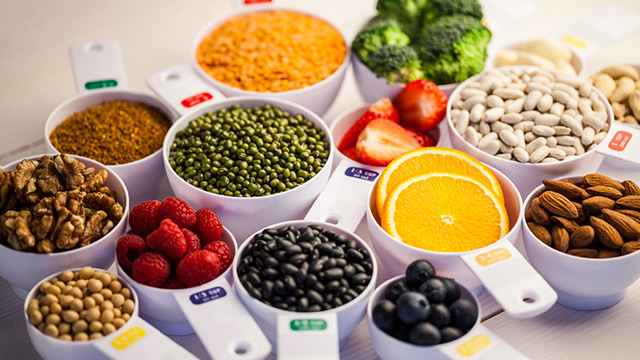



























 Switch WhatsApp®"
And you will be forwarded directly to the WhatsApp® app.